May 30, 2026, 8:19 a.m. ET | ⏱️7–9 minutes
By Olivia Bennett
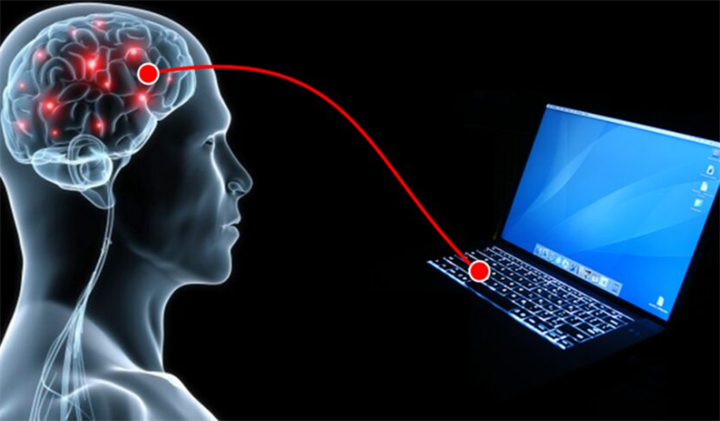
Using thought alone to move a computer cursor. Helping a paralyzed person stand and walk again. Wearing a headband to sleep better. These scenarios are moving out of science fiction and into reality.
The core technology behind them is called a brain-computer interface, or BCI. In simple terms, a BCI builds a direct communication channel between the brain and an external device. Neural signals can then control machines, and in some cases, machines can send information back to the brain.
By 2026, the field has reached an important turning point. The technology is leaving the lab and entering hospitals and everyday life. But how far along is it really? And when might ordinary people use it? To answer these questions, we need to look at what the evidence tells us about where things stand.
Three different technical paths
BCI systems come in three main types, based on how close the device gets to the brain. Each has its own trade-offs. None is simply “better” than the others.
Type one: implanted inside the brain
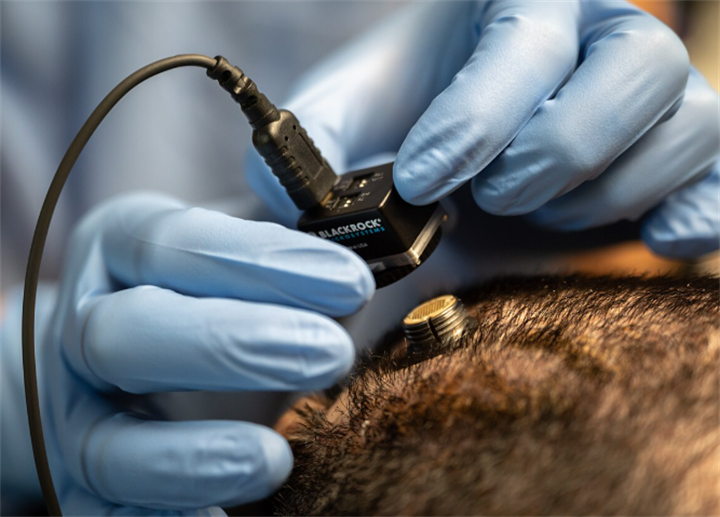
This approach places tiny electrode arrays directly into the brain tissue, where they can touch nerve cells.
Industry reports and expert analyses generally agree that this method captures the highest-quality neural signals. It can record the firing of single neurons — similar to sitting in the front row at a concert and hearing every note. Clinical trial results support this. Paralyzed patients with these implants have been able to control a computer cursor with their thoughts, type text, and even use a robotic arm to grasp objects and drink from a cup.
But the risks are real. Any brain surgery carries a chance of infection and rejection. Available data suggests that current implants tend to function well for about one to two years. After that, the brain gradually recognizes the device as a foreign object. Scar tissue forms around the electrodes, and the signal weakens. This means a person who receives an implant may eventually need another surgery to replace it.
For now, this type of BCI is aimed at people with severe neurological conditions, such as complete spinal cord injury or amyotrophic lateral sclerosis (ALS).
Type two: placed on the brain’s surface but not inside it
These devices are surgically placed on the outer layer of the brain’s protective covering, known as the dura mater, or inside the skull. They do not penetrate brain tissue.
Because the brain tissue is not pierced, the surgery is much less invasive and carries lower risk. The signal quality is not as fine as with a deep-brain implant, but it is far more detailed than what a wearable headset can capture.
According to public regulatory information, this minimally invasive approach was the first to receive market approval. In early 2026, one such system was cleared for clinical use. It helps people with hand paralysis use thought to control an external device — for example, a mechanical arm that picks up a cup and brings it to the mouth. For someone who has lost the ability to move, that kind of control is a meaningful step back toward independence.
Type three: completely non-invasive, worn on the outside
No surgery is needed. The user simply puts on an electrode cap, a headband, or earbuds.
The main advantages are clear: safety and convenience. Prices are also relatively low. But there is a major limitation. Signals from deep inside the brain have to pass through the skull and scalp, which weakens them considerably. Researchers often describe this as trying to hear a concert from outside the concert hall — you can catch the general atmosphere, but it is hard to pick out details.
Market data suggests this segment has entered a period of rapid growth. In some regions, sales of non-invasive BCI devices more than tripled over a recent two-year period. Current applications focus on areas like sleep monitoring, attention tracking, mood regulation, and rehabilitation after a stroke.
What the technology can do: evidence-supported abilities
The most mature applications today are in replacing lost motor function.
Multiple clinical trial reports show that paralyzed individuals can use BCI systems to control a computer cursor, a wheelchair, a robotic dog, or a mechanical arm. These are now verifiable realities. Some research teams have demonstrated even more complex capabilities. One type of bidirectional BCI can not only read movement commands from the brain but also send sensory information back into the brain from external sensors. This allows a person to “feel” their own steps again. A proof-of-concept study published in 2026 reported that such a bidirectional system achieved 92% accuracy in both control and sensory perception tasks.
Additionally, at least one minimally invasive BCI system has passed regulatory review and entered clinical use. This means the product was judged by health authorities to meet the required standards for safety and effectiveness.
It is important to note that all of these achievements so far have involved severely ill patients in medical settings. These are not consumer products meant for the general population.
What the technology still cannot do: bottlenecks and uncertainty
Despite visible progress, several core challenges remain. Researchers tend to speak cautiously about them.
The brain itself is not fully understood. The human brain has roughly 86 billion neurons. How they encode information, form memories, or produce language is still not fully understood at a basic science level. Most researchers agree that directly reading or writing complex cognitive functions like language and memory is in a very early, exploratory stage. The idea of “downloading knowledge straight into the brain” is not a realistic technical prospect based on current scientific understanding.
Long-term stability of implants is uncertain. The immune response problem is not fully solved. Only limited long-term follow-up data exists. What happens ten or more years after an electrode is implanted is something the research community still does not have enough evidence to judge.
Non-invasive devices offer only limited signal resolution. These devices are constrained by physical barriers. The signal quality is not good enough to support precise, complex control. Research indicates that such devices are mainly suited for rough state monitoring and simple command recognition right now. Their usefulness in more demanding situations still needs to be proven.
What stands in the way of wider use: practical obstacles
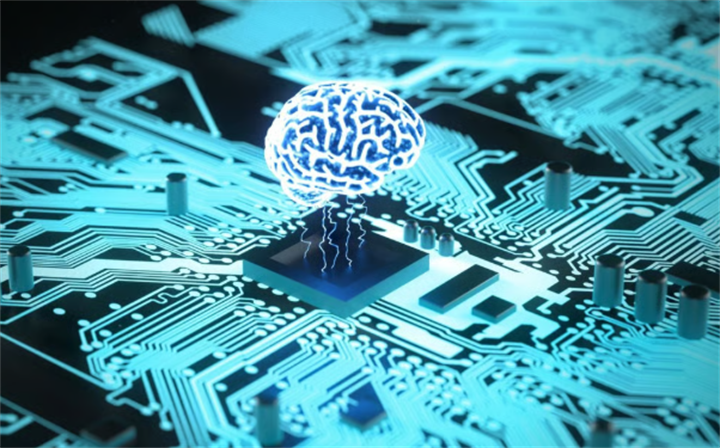
Getting BCI into everyday life involves more than just solving technical problems.
High costs. Industry reports indicate that implantable BCI systems currently cost a great deal — in the range of hundreds of thousands of dollars, covering precision chips, specialized materials, and surgical fees. While some regions have begun to include certain procedures under public health insurance, broad coverage will take time.
Safety concerns and psychological barriers. Most people are not comfortable with the idea of placing a device inside their brain, even if safety data looks encouraging. The available long-term data is still too limited, and many hold a reasonably cautious view.
Privacy and ethics remain unresolved. Brain signals can contain information about emotions, preferences, and perhaps even thought content. Researchers have raised a series of difficult questions. Who owns this data? Could it be collected by commercial companies? Could it be interfered with from outside? Globally, there is no unified ethical framework or regulatory standard for BCIs. Until these questions are addressed, the spread of the technology could face resistance from society.
What the near future may hold
Based on current trends, researchers and industry analysts offer a rough outlook.
In the short term, healthcare will stay the core focus. BCIs will continue to serve people with urgent needs — paralysis, speech loss, severe neurological disorders — while gathering more safety and efficacy data in clinical use.
As minimally invasive techniques improve, applications may gradually expand into broader health-related areas like sleep regulation and attention training. Non-invasive devices could become daily health-monitoring tools, much like the smart wristbands of today.
When it comes to healthy people using brain implants for cognitive enhancement, researchers generally point to three conditions that would need to be met: the procedure must be so minor that it is widely acceptable, the functional gain must be strong enough to be worth it, and the cost must be low enough to afford. At present, these three conditions do not hold at the same time. It will take quite a while longer before BCI becomes a common part of ordinary life.
In short, brain-computer interfaces have reached an important moment. They have moved from the laboratory into the hospital. But there is still a long road ahead before they become a familiar technology in the lives of most people.
Editor’s Note
Brain-computer interface technology is moving quickly from the lab into clinical use, generating frequent headlines. Yet information about what this technology can actually do — and what it still cannot — is often mixed with both hope and misunderstanding. This article draws on publicly available clinical trial data, industry reports, and interviews with researchers as of 2026. It offers a clear, evidence-based overview of the technology’s current state, real-world applications, and remaining obstacles. Where the evidence is strong, we say so. Where uncertainty remains, we note that too. Our goal is to help readers form a careful, well-informed perspective.
About the Author
Olivia Bennett specializes in emerging technologies, including artificial intelligence, robotics, space technology, and biotechnology. Drawing on industry research and public data, she explores the technological, commercial, and societal implications of major innovations, with an emphasis on balanced and accessible analysis.
References
[1] Patrick-Krueger, K. M., Pavlidis, I., & Contreras-Vidal, J. L. (2025). The state of science convergence in implantable brain-computer interface clinical trials. Journal of Neural Engineering, 22(6), 063001.
[2] U.S. Food and Drug Administration. (2023). Implanted Brain-Computer Interface (BCI) Devices for Patients with Paralysis or Amputation — Non-clinical Testing and Clinical Considerations. FDA Guidance Document.
[3] Fortune Business Insights. (2026). Brain Computer Interface (BCI) Market Size, Share & Industry Analysis, 2026–2034.
[4] National Medical Products Administration. (2025). Terminology for Medical Devices Using Brain-Computer Interface Technology. China Medical Device Industry Standard.
[5] Journal of Nanobiotechnology. (2025). Revolutionizing brain–computer interfaces: overcoming biocompatibility challenges in implantable neural interfaces.
Recommend:

Autonomous Driving Chips’ Next Chapter: No Longer Just About TOPS, Now It’s About Efficiency

How Should the World Choose Fourth-Generation Nuclear Power?

The "Second Battlefield" of AI Chips: Why Edge Computing Has Become a Must-Win for Tech Giants

Next-Gen AI Finally Understands the Physical World – A 'Silent Tsunami' Reshaping Autonomous Driving, Architecture, and Gaming