
Thorium, Sodium Cooling, or Gas Cooling — Which Path Is Actually Safer and More Practical?
May 26, 2026, 13:21 a.m. ET | ⏱️7–9 minutes
By Olivia Bennett
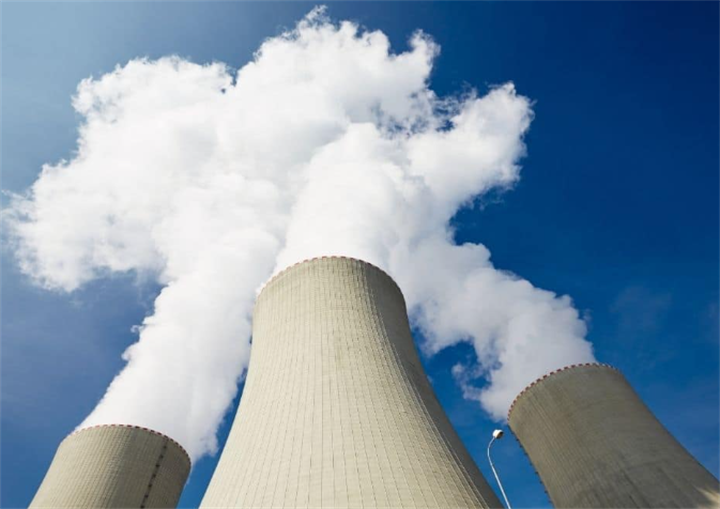
For years, fourth-generation nuclear reactors were treated as a distant engineering ambition — technically promising, but commercially uncertain. That changed rapidly over the past three years.
In 2026, the U.S. Nuclear Regulatory Commission (NRC) approved TerraPower’s Natrium sodium-cooled reactor project in Wyoming, marking the first construction permit issued in the United States for a commercial non-light-water reactor in decades.
Source: U.S. NRC construction permit announcement; TerraPower project disclosures (2026).
Around the same time, China’s Shidao Bay high-temperature gas-cooled reactor completed extended commercial operation milestones, while a thorium-based molten salt experimental reactor in Gansu achieved the world’s first publicly reported in-reactor thorium-to-uranium fuel conversion.
Sources: China Huaneng Group operational reports (2025–2026); Chinese Academy of Sciences TMSR project announcements (2025).
These developments are part of a broader shift in global energy strategy. Governments are searching for low-carbon power sources that can complement intermittent renewables, support industrial electrification, and meet rapidly growing electricity demand from sectors such as AI infrastructure and advanced manufacturing.
Sources: International Energy Agency (IEA) Electricity 2025 Report; U.S. Department of Energy grid outlook studies.
Fourth-generation nuclear systems are increasingly viewed as one possible answer.
But “Generation IV” is not a single technology. It is a collection of competing reactor concepts pursuing different goals:
· some prioritize safety,
· some focus on fuel efficiency,
· some aim to reduce waste,
· and others are designed for industrial heat and hydrogen production.
Understanding these differences is essential, because the future of nuclear power may not be decided by one winning design.
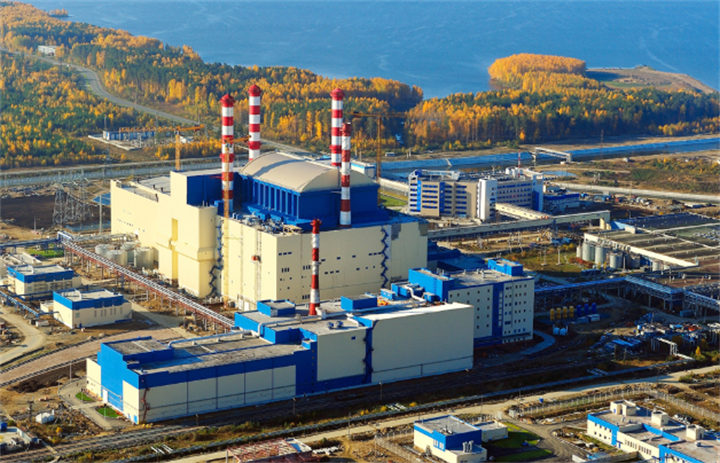
What Is “Fourth-Generation Nuclear Power”?
The term “Generation IV” emerged from the Generation IV International Forum (GIF), an international research initiative launched in 2001 by the United States, France, Japan, Canada, and several other countries.
Source: Generation IV International Forum (GIF) official historical documentation.
GIF identified six advanced reactor families for long-term development:
1. High-temperature gas-cooled reactors (HTGR)
2. Sodium-cooled fast reactors (SFR)
3. Lead-cooled fast reactors (LFR)
4. Molten salt reactors (MSR)
5. Supercritical water-cooled reactors (SCWR)
6. Gas-cooled fast reactors (GFR)
Source: GIF Technology Roadmap for Generation IV Nuclear Energy Systems.
Unlike conventional light-water reactors, these systems often use alternative coolants such as helium, liquid sodium, molten salt, or liquid lead. Many also operate at higher temperatures and lower pressures.
Sources: International Atomic Energy Agency (IAEA); OECD Nuclear Energy Agency technical summaries.
The long-term goals are ambitious:
· improved passive safety,
· higher thermal efficiency,
· better fuel utilization,
· lower waste generation,
· and broader industrial applications beyond electricity generation.
However, not all reactor concepts are equally mature. Some are approaching commercial deployment, while others remain largely experimental.
Today, three technological paths dominate the global discussion:
· high-temperature gas-cooled reactors,
· sodium-cooled fast reactors,
· and thorium-based molten salt reactors.
Each reflects a different vision of what advanced nuclear energy should become.
Why Generation IV Reactors Matter Now
1. The Limits of Traditional Nuclear Plants
Conventional nuclear plants depend heavily on water cooling and are usually located near oceans, rivers, or large lakes. This limits site flexibility.
Sources: IAEA siting guidelines; U.S. DOE advanced reactor studies.
Many Generation IV designs avoid this constraint:
· gas-cooled reactors use helium,
· sodium-cooled reactors use liquid sodium,
· molten salt reactors use liquid fluoride salts.
This opens the possibility of inland deployment and industrial co-location.
2. Electricity Demand Is Rising Again
For years, energy forecasts assumed electricity demand in developed economies would grow slowly. That assumption is weakening.
AI data centers, semiconductor manufacturing, hydrogen production, and electrified industry are increasing demand for stable baseload electricity.
Sources: IEA Electricity 2025; McKinsey global data center energy forecasts; U.S. DOE AI energy demand assessments.
Unlike wind and solar power, nuclear reactors can provide continuous output independent of weather conditions.
3. Nuclear Energy Is Expanding Beyond Electricity
Traditional reactors mainly generate electricity.
Fourth-generation systems are increasingly designed for:
· hydrogen production,
· industrial steam,
· petrochemical processing,
· district heating,
· and desalination.
Sources: OECD Nuclear Energy Agency; U.S. DOE Hydrogen Shot initiative; IAEA industrial heat studies.
This matters because some industrial sectors are difficult to decarbonize using electricity alone.
High-temperature reactors operating above 700°C can directly support industrial processes that conventional reactors cannot efficiently supply.
Sources: High-temperature reactor engineering studies from Tsinghua University; IAEA HTGR reports.
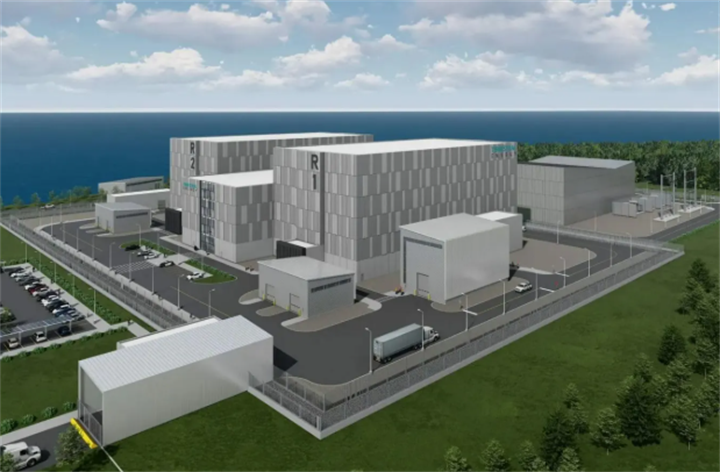
Three Competing Paths in Advanced Nuclear Power
1. High-Temperature Gas-Cooled Reactors: The Safety-First Route
Among Generation IV technologies, high-temperature gas-cooled reactors are currently the most commercially advanced.
China’s Shidao Bay HTR-PM project became the world’s first commercially operating Generation IV reactor system in 2023.
Sources: China Huaneng Group; World Nuclear Association reactor database.
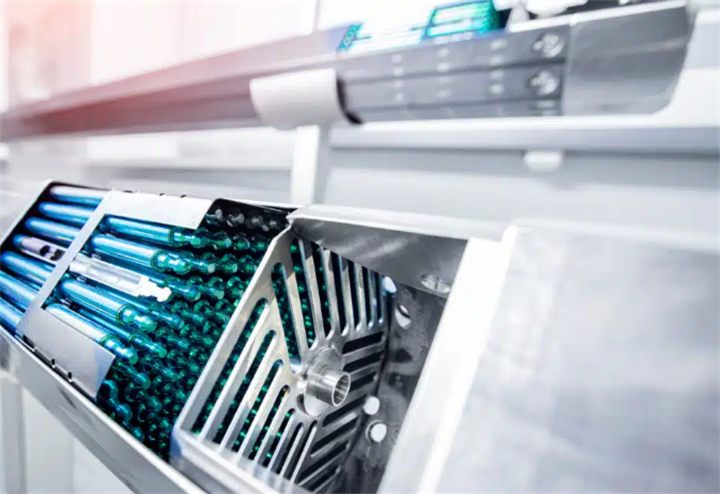
The reactor uses helium cooling and graphite-moderated fuel spheres containing thousands of ceramic-coated fuel particles.
Sources: HTR-PM technical design papers; Tsinghua University nuclear engineering publications.
Its defining feature is passive safety.
Even during severe cooling failures, the fuel structure is designed to remain intact at temperatures where conventional fuel systems would risk melting.
Sources: IAEA HTGR safety assessments; German AVR and Chinese HTR-PM fuel testing data.
Because helium is chemically inert and the reactor operates at relatively low power density, the system avoids some of the high-pressure risks associated with traditional water-cooled designs.
This approach offers several advantages:
· strong passive safety characteristics,
· high outlet temperatures,
· suitability for industrial heat applications,
· and reduced dependence on large water sources.
However, the trade-offs are significant:
· lower power density,
· larger reactor structures,
· complex fuel handling systems,
· and potentially higher construction costs.
Commercial viability will depend on whether modular construction and supply-chain scaling can reduce costs over time.
2. Sodium-Cooled Fast Reactors: The Fuel-Efficiency Strategy
If gas-cooled reactors focus primarily on safety and industrial heat, sodium-cooled fast reactors pursue something more ambitious: transforming how nuclear fuel is used.
Conventional reactors mainly consume uranium-235, which represents less than 1% of natural uranium.
Source: World Nuclear Association uranium fuel cycle overview.
Fast reactors can also utilize uranium-238 by converting it into fissile plutonium during operation, dramatically improving fuel efficiency.
Sources: OECD Nuclear Energy Agency fast reactor reports; IAEA fast breeder reactor documentation.
In theory, this could extend uranium resources for centuries while reducing long-lived nuclear waste through fuel recycling.
TerraPower’s Natrium reactor in Wyoming has become the highest-profile Western project in this category.
The design combines:
· a sodium-cooled fast reactor,
· molten salt energy storage,
· and flexible grid output.
Sources: TerraPower technical presentations; DOE Advanced Reactor Demonstration Program (ARDP) documentation.
Unlike traditional baseload nuclear plants, Natrium is designed to adjust electricity delivery based on grid demand.
This flexibility is increasingly attractive in renewable-heavy power systems.
Yet sodium-cooled reactors also face engineering challenges:
· liquid sodium reacts violently with water and air,
· fuel supply chains for HALEU remain limited,
· and licensing requirements are highly demanding.
Sources: NRC licensing reviews; DOE HALEU supply-chain reports; historical sodium reactor operating analyses.
Fast reactors are technologically mature in principle — Russia has operated sodium fast reactors such as BN-600 and BN-800 for decades — but large-scale commercial expansion remains uncertain outside a few national programs.
Sources: Rosatom reactor operations data; World Nuclear Association.
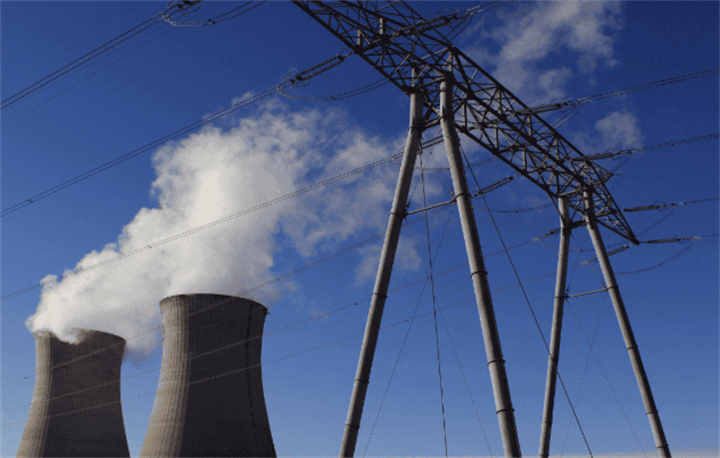
3. Thorium Molten Salt Reactors: The Most Experimental Path
Thorium-based molten salt reactors are perhaps the most discussed advanced reactor concept online, but they are also the furthest from commercial deployment.
Instead of solid fuel rods, molten salt reactors dissolve fuel directly into liquid fluoride salts that simultaneously act as coolant and fuel carrier.
Sources: Oak Ridge National Laboratory molten salt reactor experiments (MSRE); IAEA MSR reports.
This creates several theoretical advantages:
· low-pressure operation,
· simplified cooling systems,
· high thermal efficiency,
· and passive emergency drainage systems.
Thorium itself is also more abundant than uranium in Earth’s crust by estimated global averages.
Sources: U.S. Geological Survey; IAEA thorium resource assessments.
It can be converted into fissile uranium-233 inside the reactor, potentially broadening long-term fuel availability.
China’s TMSR-LF1 experimental reactor achieved a milestone in 2025 by demonstrating thorium fuel conversion during operation.
Sources: Chinese Academy of Sciences announcements; Shanghai Institute of Applied Physics publications.
Still, major challenges remain unresolved:
· long-term corrosion resistance,
· fuel chemistry control,
· material durability,
· and commercial-scale engineering validation.
Molten salt reactors are scientifically promising, but they are still closer to advanced prototypes than near-term commercial infrastructure.
Which Reactor Type Is Actually Safer?
There is no universally “safest” fourth-generation reactor.
Each design reduces risk differently.
Gas-Cooled Reactors
Their safety strategy centers on fuel integrity and passive heat dissipation. Even severe accidents are designed to unfold slowly, without rapid pressure buildup.
Sources: IAEA HTGR safety case studies; NRC advanced reactor safety reviews.
Sodium-Cooled Fast Reactors
These operate at low pressure and offer efficient heat transfer, but liquid sodium introduces chemical hazards that require sophisticated containment systems.
Sources: DOE sodium reactor safety studies; Monju and BN-series operational analyses.
Molten Salt Reactors
These avoid high-pressure operation entirely and can use gravity-driven passive shutdown systems. However, there is far less operational experience with commercial molten salt systems.
Sources: Oak Ridge MSRE archives; Generation IV MSR development papers.
In practice, nuclear safety is not determined by one feature alone. It depends on:
· engineering quality,
· operational discipline,
· regulatory oversight,
· and decades of real-world performance data.
At this stage, no Generation IV design has accumulated enough global operating experience to definitively claim overall superiority.
The Economic Question May Matter More Than the Technology
Historically, nuclear power has struggled less with physics than with economics.
Generation IV reactors face the same reality.
High Initial Costs
Advanced reactors require:
· new supply chains,
· specialized materials,
· first-of-a-kind engineering,
· and extensive licensing review.
Early projects are almost always expensive.
Sources: OECD Nuclear Energy Agency nuclear construction cost reports; DOE ARDP funding disclosures.
The critical question is whether costs fall meaningfully after repeated deployment.
Modular Construction Could Change the Equation
Many advanced reactor developers are pursuing smaller modular designs intended for factory manufacturing rather than custom on-site construction.
If successful, this could:
· shorten construction timelines,
· reduce financing risk,
· and improve scalability.
But this industrial model remains largely unproven at commercial scale.
Sources: DOE SMR studies; International Energy Agency nuclear financing analyses.
Industrial Heat May Become the Real Opportunity
Electricity generation alone may not justify advanced nuclear economics.
The larger opportunity could be industrial heat:
· steelmaking,
· hydrogen production,
· petrochemicals,
· synthetic fuels,
· and desalination.
Sources: IEA industrial decarbonization reports; DOE hydrogen and process heat programs.
High-temperature reactors may eventually compete less with solar panels and more with natural gas boilers.
That changes the economic equation significantly.
About the Author
Olivia Bennett specializes in emerging technologies, including artificial intelligence, robotics, space technology, and biotechnology. Drawing on industry research and public data, she explores the technological, commercial, and societal implications of major innovations, with an emphasis on balanced and accessible analysis.
Disclaimer
This article is provided for informational and educational purposes only and should not be interpreted as investment, engineering, legal, or energy policy advice. All reactor specifications, commercialization timelines, safety claims, and industry developments discussed are based on publicly available reports, regulatory disclosures, academic research, and company announcements available as of May 2026. Advanced nuclear technologies remain subject to technical, regulatory, financial, and geopolitical uncertainties. Comparisons between reactor types are intended as general analytical observations rather than definitive rankings. Readers should independently verify important information and consult qualified professionals before making decisions related to nuclear technology, investment, or energy policy.
Recommend:
How Should the World Choose Fourth-Generation Nuclear Power?

The Composite Ceiling of Vision-Only: The Unsolved Challenges Behind Tesla FSD's Zero-Intervention Feat

Space Manufacturing and On-Orbit Servicing: The Next Strategic High Ground of the Space Economy

Autonomous Driving Chips’ Next Chapter: No Longer Just About TOPS, Now It’s About Efficiency